Insights from Shomace Fallah-Loer, D.O., ophthalmology & eye services
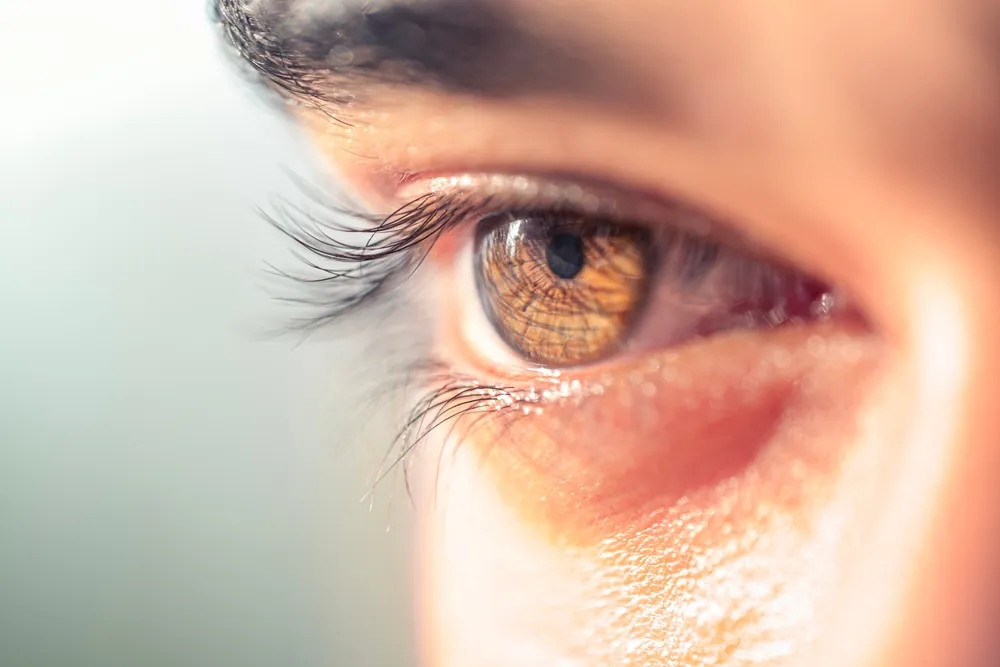
What is an eye injury?
An eye injury is any physical or chemical damage to the eye or surrounding tissues. These injuries can range from minor surface irritation to vision-threatening trauma. Eye injuries fall into several categories:
- Chemical burns — From alkalis or acid getting into the eyes
- Mechanical injuries — Cuts, ruptures, objects that pierce the eye
- Blunt trauma — A hard hit to the eye
- Corneal abrasions and foreign objects — Something scratching or stuck in the eye
- Radiation injury — A sunburn-like injury to the surface of the eye
What are the most common and preventable eye injuries?
Household chemical exposures are a leading cause of preventable eye injuries. Bleach, tile and floor cleaners, disinfectants, laundry detergents and glass cleaners are common culprits. Drain and oven cleaners tend to cause the most severe damage.
Alkali burns are especially dangerous. These happen most often with household cleaners. Alkali chemicals damage the eye faster and go deeper than acid burns.
Other common preventable eye injuries include:
- Corneal abrasions and foreign objects in the eye from debris or contact lens misuse
- Sports-related injuries
- Bungee cord accidents, which can cause serious injury when the cord snaps back
- Nerf gun injuries in children
But here’s the good news: Most of these injuries can be prevented with protective eyewear, safely storing chemicals and practicing good contact lens hygiene.
What household tasks carry risks?
Housecleaning — Spray bottles cause the most eye injuries, often from accidental sprays to the face. About one in four happen when someone sprays another person’s eyes by accident. Detergent packets and pouring or mixing from their original containers also pose a burn risk.
Yard and garden work — Liquid fertilizers and pesticides can burn eyes. Mowing and trimming can cause corneal abrasion by sending debris into the eyes.
Cooking — Hot oil splatter and steam can cause eye injuries.
Home repairs — Building and construction products and industrial-strength chemicals cause a higher proportion of moderate-to-severe injuries than typical household products.
Protect your family by keeping chemicals in locked, out-of-reach cupboards, especially around young children. Children ages 1 to 2 have the highest exposure rates.
How do you treat a chemical exposure to the eyes at home?
According to the 2024 American Heart Association/American Red Cross First Aid Guidelines:
- Irrigate the eye immediately with lots of water. Quickly removing the chemical is key to limiting damage. First aid should not be delayed.
- Use tap water if a sterile solution isn’t available.
- Irrigate continuously for at least 15 minutes, holding the eyelid open. A second person may be needed to help.
- Avoid chemical runoff washing into the other eye, onto skin or onto the person assisting.
- Seek emergency care right away.
Also, remove contact lenses if worn, and call Poison Control for chemical-specific guidance. Other substances such as milk should not be used as it can introduce bacteria. Instead, use copious clean, running water or saline.
What should a home eye safety kit include?
Here is what you should have on hand:
- Sterile saline or eyewash for irrigation
- A rigid eye shield or improvised cover like a paper or plastic cup taped over the eye to protect an injured globe and prevent rubbing
- ANSI-approved polycarbonate protective eyewear or goggles for chores
- Clean gauze or no-touch dressings for minor cuts near the eye
- Poison Control number (1-800-222-1222 in the U.S.) and your eye doctor’s contact information
- Over-the-counter acetaminophen or ibuprofen for pain
Do not stock “redness-relief” drops or anesthetics as a substitute for having an injury evaluated by a professional. These frequently contain chemicals that can mask the signs and create further damage to the ocular surface.
What are the biggest mistakes in treating eye injuries?
Rubbing or pressing on the eye. This can worsen a corneal abrasion or make a penetrating or open-globe injury far more serious. If you think there is something stuck in your eye, or the eye itself may be seriously injured, don’t rub it or try to pull out the object. Instead, cover the eye with something rigid, like a paper cup taped in place, so nothing presses on it and then see a doctor right away.
For chemicals in the eye, the biggest mistake people make is waiting to irrigate. Every minute of chemical contact to the eye makes the damage worse.
What sports get overlooked for eye protection?
High-risk sports where eye protection is under-used include:
- Baseball
- Basketball
- Fencing
- Hockey
- Lacrosse
- Nerf Guns
- Paintball
- Pickleball
- Racquetball
- Squash
Protective eyewear with ANSI-approved polycarbonate lenses is highly recommended when playing these sports. Strapped goggles are preferred. Standard eyeglasses and contact lenses do not protect the eyes and should not be relied on for protection. Contact lens don’t offer protection, either.
What about outdoor activities?
Outdoor and high-altitude activities carry their own risks from wind, dust and branches at lower levels, to intense ultraviolet rays on mountains. Here’s how to protect your eyes in both scenarios.
Foreign objects corneal abrasions, wind and dry-eye and trauma from branches: For protection during hiking or walking outdoors, wear wraparound UV eyewear. On multi-day hikes or backcountry trips, pack backup glasses, sunglasses, extra contacts, case, lens solution and a copy of your prescription.
UV keratitis or snow blindness: UV exposure rises about 4% per 300m of altitude gain and is greatly amplified by reflection off snow. Symptoms of UV keratitis include grittiness or pain in the eye, tearing, light sensitivity or blurred vision. These symptoms appear 6 to 12 hours after exposure and usually resolve within 48 hours. To help prevent injury, wear wraparound, UV-blocking sunglasses or glacier glasses with side protection.
Can contact lenses cause injuries?
Contact lens wear is the leading risk factor for microbial keratitis (corneal infection) in the U.S., and can cause corneal ulcers, scarring and vision loss. Lenses also can cause corneal abrasions.
Here’s how to help protect your eyes:
- Never sleep in lenses.
- Never rinse or store lenses in tap water. It poses a risk of Acanthamoeba keratitis.
- Don’t shower or swim in lenses.
- Don’t “top off” solution. Discard old solution and use fresh disinfectant each time.
- Replace lenses and the case on schedule to prevent biofilm.
- Wash hands before handling lenses.
What are the signs of a potentially serious eye injury?
Some eye symptoms require that you head to the ER or see your ophthalmologist right away. These symptoms or injuries include:
- Vision loss or blurring in the affected eye
- Severe pain or marked light sensitivity (photophobia)
- Bleeding in the eye or blood pooling in front of the iris (hyphemia)
- An irregularly shaped pupil, or fluid or tissue leaking from the globe (suggests globe rupture)
- An embedded foreign object, or pain that doesn’t improve after irrigation
- New flashes of light, a shower of floaters or a “curtain” or shadow in the visual field (possible retinal detachment)
- Sudden painless vision loss (possible retinal artery occlusion — a stroke-equivalent emergency)
- A chemical burn of any kind
New flashes or floaters, or a blind spot in your visual field, need to be checked the same day to rule out a retinal tear or detachment.
Contact lens wearers with a painful red eye should also be seen within 24 hours since this combination may suggest a corneal ulcer.
We can help keep your eyes healthy
The Portland Clinic Ophthalmology department provides comprehensive eye-care services, from routine exams and glasses or contact lens prescriptions to complex medical and surgical eye treatment.
Dr. Shomace Fallah-Loer is a board-certified comprehensive ophthalmologist, providing a full range of medical and surgical eye care at The Portland Clinic south location and the Ambulatory Surgical Center.