By Karina Hoan, M.D., gynecology and minimally invasive surgery
For many women dealing with painful gynecologic conditions, the idea of surgery can feel overwhelming. The good news is that surgical care has advanced significantly. As a fellowship-trained specialist in minimally invasive gynecologic surgery, I’ve seen how these techniques can transform the patient experience — leading to less pain, faster recovery and excellent outcomes.
What is minimally invasive surgery?
Minimally invasive surgery allows us to treat gynecologic conditions with precision through very small incisions.
There are two main approaches:
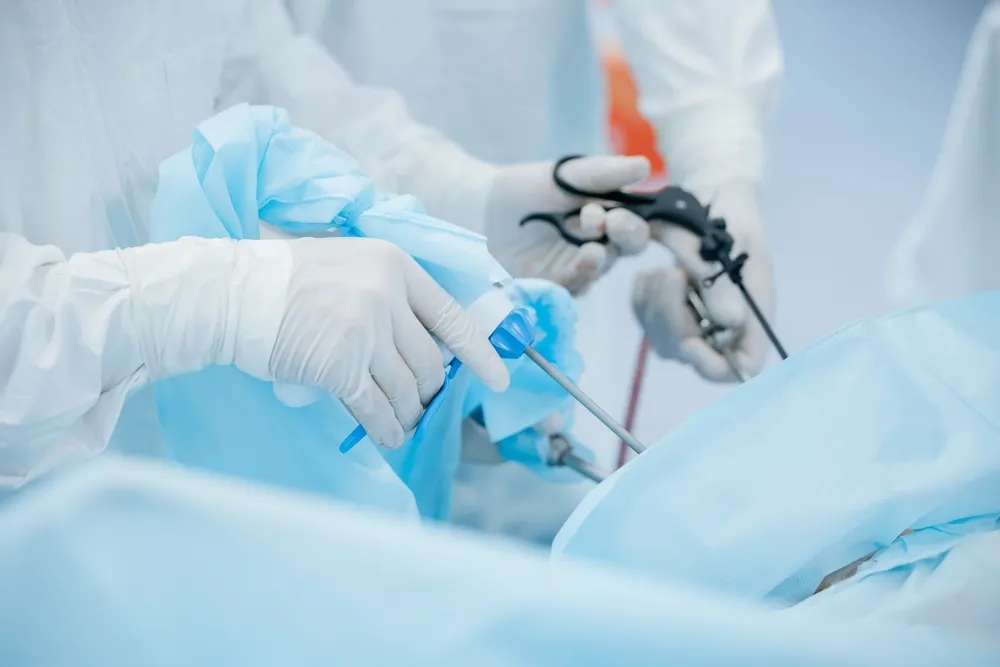
- Conventional laparoscopy: The surgeon operates at the bedside using specialized instruments while viewing a monitor.
- Robotic-assisted laparoscopy: The surgeon sits at a console and controls robotic arms, which provide an enhanced range of motion and high-definition, 3D visualization.
From a patient’s perspective, both approaches are very similar: small incisions, minimal scarring and a faster recovery than open surgery. Robotic surgery can be especially helpful for more complex conditions, such as advanced endometriosis or prior pelvic surgeries.
Gynecologic conditions treated
Minimally invasive surgery can be used to treat a wide range of benign gynecologic conditions. The most common conditions treated include:
- Uterine fibroids
- Ovarian cysts
- Endometriosis
Depending on your symptoms and goals (including fertility), procedures may include:
- Hysterectomy (removal of the uterus)
- Myomectomy (removal of fibroids while preserving the uterus)
- Ovarian cystectomy (removal of cysts)
- Oophorectomy (removal of ovaries)
- Excision of endometriosis
A significant portion of my practice focuses on endometriosis excision, which removes abnormal tissue growing outside the uterus to improve pain, and in many cases, fertility.
Benefits and risks
Compared to traditional open surgery, minimally invasive approaches offer:
- Less pain
- Less blood loss
- Lower risk of complications
- Smaller scars
- Faster recovery
All surgery carries some risk, including:
- Infection
- Bleeding
- Reactions to anesthesia
While these risks are generally lower with minimally invasive techniques, it’s important to review your individual health history with your surgeon.
What to expect during surgery
Here’s a step-by-step overview of what happens:
- Anesthesia: You’ll be fully asleep and comfortable throughout the procedure.
- Small incisions: Typically, three to five tiny incisions (about the width of a pencil) are made on the abdomen.
- Creating space: The abdomen is gently filled with carbon dioxide gas so we can see and work safely. (After surgery, some patients notice temporary bloating or shoulder discomfort. This is normal and resolves quickly.)
- Surgery: Using specialized instruments, we carefully treat or remove abnormal tissue.
- Recovery room: After surgery, you’ll wake up in recovery. Most patients go home the same day once they are awake, eating and walking.
How to prepare for surgery
A little preparation can make recovery smoother.
- Plan your ride home: Most surgeries are same-day procedures.
- Stock your home: Have simple meals and medications (ibuprofen and acetaminophen) ready.
- Dress comfortably: Loose clothing and a cozy recovery space can make a big difference.
What to know about recovery
One of the biggest advantages of minimally invasive surgery is how quickly patients recover.
- Same-day discharge: About 90% of patients go home the day of surgery.
- Pain control: Many patients need little to no narcotic medication, relying mostly on over-the-counter options.
- Return to normal life: Even after major procedures like hysterectomy, many patients feel ready to go back to their routines within about two weeks.
- Activity: Walking is encouraged, but heavy lifting and intense exercise should be avoided for a few weeks.
Your health matters
Your overall health plays an important role in recovery. Conditions like diabetes or obesity can affect healing, but minimally invasive surgery helps reduce many of these risks.
Optimizing your health before surgery—especially blood sugar control, nutrition and activity—can further improve outcomes.
Looking ahead: Advances in surgery
Technology continues to evolve in exciting ways. New tools, including artificial intelligence, are being integrated into surgical platforms to help identify anatomy, guide procedures and enhance safety.
While these innovations are powerful, the most important part of care remains the relationship between patient and surgeon—combining advanced technology with thoughtful, personalized care.
Dr. Karina Hoan is a fellowship-trained minimally invasive gynecologic surgeon. She practices at The Portland Clinic’s Alberty Surgical Center, Northeast and Beaverton locations, where she specializes in advanced excision surgery for endometriosis, chronic pelvic pain and fertility preservation, with care focused on faster access and recovery.