Insights from Tina Landeros, FNP-BC, director of nursing at The Portland Clinic
For many people, measles feels like a disease of the past. But as childhood vaccination rates have declined across the United States, it’s making a comeback in communities where vaccination coverage has fallen below the level needed for herd immunity. Nearly 90% of measles cases involve people who are unvaccinated or whose vaccination status is unknown. It’s a preventable disease, but with the drop in vaccination rates it’s finding the openings vaccines are designed to close. Here’s what you need to know to protect yourself and your family — children and adults alike — from this unwelcome illness.
What is measles?
Measles is a highly contagious viral illness that can cause fever, cough and rash. Measles can cause serious complications, particularly in young children and people with weakened immune systems. Although most people recover from measles with supportive care, complications may include:
- Dehydration
- Bronchitis
- Ear infection
- Pneumonia
- Encephalitis (irritation and swelling of the brain)
- Pregnancy complications
Pneumonia and encephalitis are the most common causes of death from measles.
How is it spread?
Measles spread very easily from person to person. The virus lives in the nose and throat of an infected person and is spread through coughing, sneezing or even breathing. Tiny droplets containing the virus can remain in the air and on surfaces for up to two hours after an infected person has left the area. People can become infected by breathing contaminated air or by touching a contaminated surface and then touching their eyes, nose or mouth.
What are the symptoms of measles?
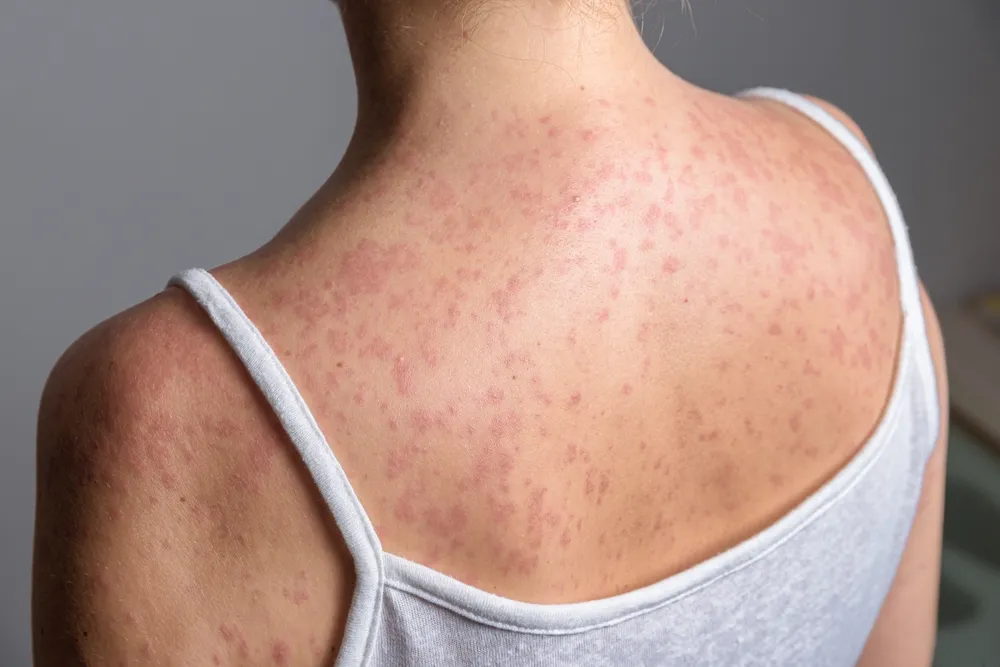
Common symptoms include cough, runny nose, red/watery eyes, fever and rash that usually begins as flat red spots. The rash first appears on the face and then spreads over the rest of the body.
Does it affect children and older adults differently?
Measles can affect people of any age, but certain groups are at higher risk for severe illness and complications. According to the U.S. Centers for Disease Control and Prevention (CDC), those at greatest risk include:
- Infants and children age 5 and younger
- Adults age 20 and older
- Pregnant women
- People with weakened immune systems, such as those with leukemia and HIV infection
How can I protect myself and my family?
Vaccination is the best way to protect yourself, your family and your community. Make sure you and your loved ones are up to date on recommended vaccines. You can also help prevent the spread of measles by avoiding close contact with people who are sick, practicing good hand hygiene and following public health guidance if a measles exposure occurs. These simple steps can help protect those who are most vulnerable.
Is there a treatment for measles?
There is no specific antiviral treatment for measles. Treatment is focused on relieving symptoms, maintaining hydration and treating any complications.
I think I have measles. Should I see my healthcare physician?
If you suspect you or a family member may have measles, contact your physician or provider for guidance. Call ahead before seeking in-person care so that appropriate precautions can be put in place.
How often should I get a measles vaccine?
The measles vaccine is given as part of the MMR (measles, mumps, rubella) vaccine. Two doses provide about 97% protection against measles. Children typically receive two doses:
- First dose at ages 12 to 15 months
- Second dose at ages 4 to 6 years
Adolescents and children who haven’t received two doses of the MMR vaccine by the routine ages listed above should be vaccinated.
Adults who were born before 1957 are generally considered immune because they were likely exposed to measles during childhood. Adults who haven’t had any doses of MMR vaccine and were born after 1957 should receive at least one dose of the vaccine.
Fewer than 5% of adults vaccinated between 1963 and 1967 received an inactivated (killed) measles vaccine. Adults who received this vaccine or don’t know what type of vaccine they received should talk to their physician or provider about receiving one or two doses of the current MMR vaccine.
If you have questions about your vaccine history or your immunity, talk with your physician or provider about what’s best for you.
Are there people who should not get a measles vaccine?
You should not or may want to delay receiving the measles vaccine, or talk with your physician or provider first if you have:
- A severely weakened immune system
- Severe, life-threatening allergies to a previous dose or ingredient in the vaccine
- Active or untreated tuberculosis
Also, speak with your physician or provider first if you are or may be pregnant in the next four weeks.
Measles is highly contagious but also preventable. Maintaining high vaccination rates helps protect not only individuals but also vulnerable members of our community. Staying up to date on recommended vaccines is one of the most important steps we can take to keep ourselves and those around us healthy.
If you have questions or would like to be vaccinated for measles, reach out to your physician or provider at The Portland Clinic. We’re here to support you.
Tina Landeros, FNP-BC, is the nursing director at The Portland Clinic.