Hot flashes, sleep issues, weight gain, achy joints: These are just a handful of common perimenopause symptoms. But before you resign yourself to riding them out, know that food is one of the most powerful ways to manage symptoms of perimenopause.
Diet and lifestyle changes won’t specifically “balance your hormones,” but they can help protect your long-term health and support your body through one of its most significant transitions with greater ease.
Build your foundation: The Mediterranean diet
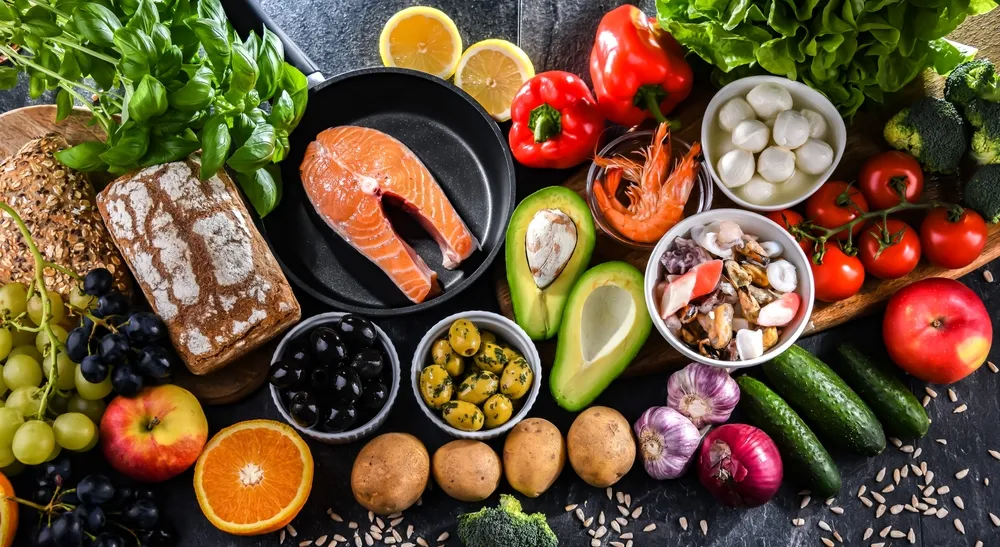
The Mediterranean diet is an evidence-based framework to eating that can help reduce inflammation and improve some symptoms of perimenopause. Again and again, studies show that eating a diet primarily made up of plant-based foods and healthy oils is good for the heart, helps manage diabetes, weight and metabolic health, and improves your overall well-being. A good start is obtaining roughly 80% of your diet from whole, minimally processed foods, such as:
- Whole grains
- Beans
- Fruits
- Vegetables
- Nuts and seeds
- Healthy oils (olive, walnut)
- Lean meat and seafood
Hot flash triggers: Here’s where to start
Hot flashes are highly individual, so what affects one woman may not affect another at all. Still, there are a few common triggers worth examining — and possibly eliminating — one at a time.
- Alcohol dilates surface blood vessels and raises body temperature through the same mechanism as a hot flash. Also, it’s inflammatory, which works against an anti-inflammatory eating approach.
- Spicy foods don’t directly cause hot flashes, but capsaicin, a chemical compound in chili peppers, can affect how your body regulates temperature, which may already be disrupted as estrogen declines. This can make existing hot flashes more frequent or intense.
- Caffeine is an area where the research is mixed. A practical first step is switching from hot to iced coffee or tea, since the heat itself may be a trigger, or reducing caffeine altogether. Avoid any type of caffeine within eight to 10 hours of bedtime.
- Sugar and ultra-processed foods drive blood sugar instability, which can trigger and worsen hot flashes.
Metabolism, weight and blood sugar
This tends to be an area where women in perimenopause and menopause feel blindsided. As estrogen declines, the body becomes more resistant to insulin, signaling it to store body fat. At the same time, declining testosterone leads to gradual muscle loss, which lowers metabolism.
It’s not uncommon for women to be told for the first time that they’re in the prediabetes range, not because of dramatic changes in diet or exercise, but because the hormonal shifts in perimenopause directly affect blood sugar regulation.
So, how can food and eating habits help?
- Protein preserves muscle mass and helps stabilize blood sugar. Strength training also can help protect metabolic rate over the long term.
- Increasing fiber intake from foods such as whole grains, beans/legumes, certain fruits and cruciferous vegetables supports blood glucose regulation.
- Space meals consistently every four to five hours to keep blood sugar stable throughout the day. Avoid skipping carbohydrates at dinner. A moderate serving of complex carbohydrates paired with protein helps stabilize blood sugar overnight. (If you wake at 2 to 3 a.m., it may be because your blood sugar is trending low, too.)
- Good sleep habits are worth building. For example, avoid eating or drinking anything other than water or herbal tea within three to four hours of bedtime.
- A 12 to 14-hour overnight fast can help improve insulin sensitivity, but the details matter. The fast should end with breakfast. Don’t skip it! Eat within one to two hours of waking and eat earlier in the evening instead. Morning cortisol naturally raises blood sugar; eating breakfast helps bring those levels down.
Protecting your heart now
Before menopause, women have a lower risk of heart disease than men. Estrogen helps keep blood vessels flexible, supporting healthy lipid profiles and regulating cholesterol. As estrogen declines, LDL (low-density lipoprotein) cholesterol can rise and blood vessels can stiffen, increasing risk for plaque development. Changes in insulin levels and sleep disturbances, which can happen during perimenopause and menopause, compound the risk of heart disease.
The good news is diet and exercise directly counter these changes. The Mediterranean diet can help reduce inflammation, support healthy cholesterol levels and improve insulin sensitivity.
Calcium and vitamin D for bone density
Because estrogen also supports bone density, perimenopause and menopause increase the risk of osteoporosis. As a result, calcium and vitamin D needs increase. Before going straight to supplements, tracking your calcium-rich food intake over three days gives a useful baseline. If your intake consistently falls short of recommended daily levels, consider taking supplements.
You may be surprised to learn that calcium-rich foods include:
- Yogurt
- Cottage cheese
- Cheddar cheese
- Collard greens, cooked
- Spinach, cooked
- Bok choi, cooked
- Tofu
- Black beans
- Salmon, canned with bones
- Almonds
- Chia seeds
Personalized guidance can help
Through perimenopause, your body is navigating a real change. Food is one of the most powerful tools available for making that transition as smooth as possible. Working with a dietitian can clarify where your diet currently stands and what adjustments are recommended to help ease the symptoms of perimenopause and menopause. Talk to a dietitian at The Portland Clinic for more information and support.