By Leanne Witek, RD, LD, CDCES, nutrition
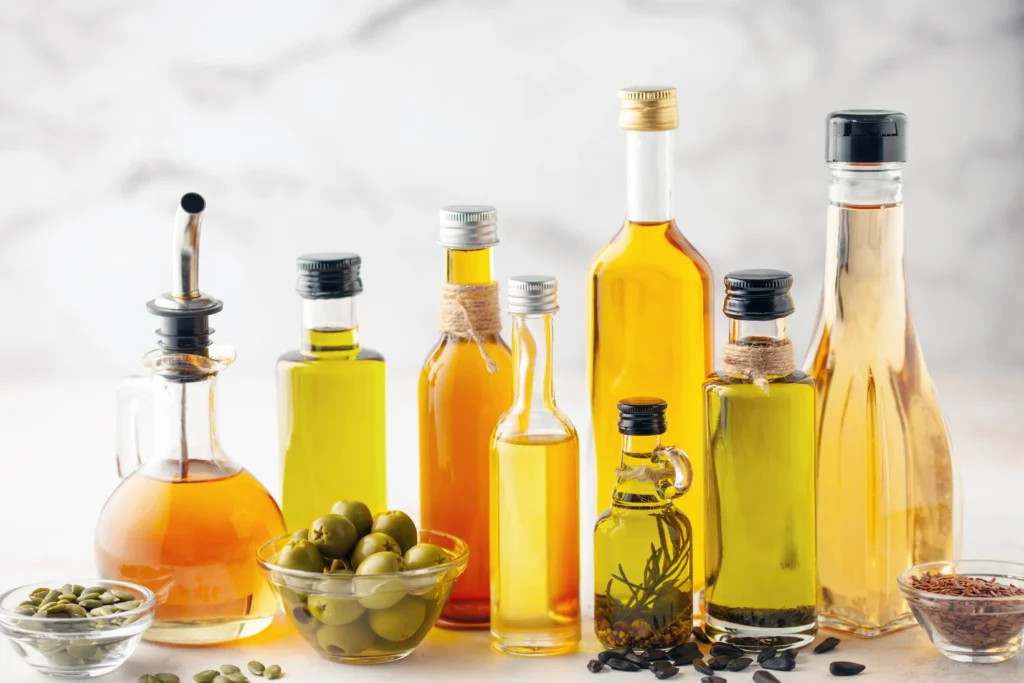
Is canola oil really toxic? Is olive oil off limits for cooking? Is coconut oil the next great health breakthrough? Should you replace oils with beef tallow?
Much of the controversy surrounding cooking oils is stirred up online — influencers love a food scandal almost as much as a celebrity breakup, and many a nutrition myth has caught fire on social media. So if you’re confused, don’t look to the socials for clarity.
Allow us to clear up some of the biggest myths about cooking oils, with support from trusted sources. Then let’s step back and look at the bigger picture.
Myth: Canola oil is unhealthy.
Facts: Claims about canola oil often focus on fears about chemical solvents, used in processing, being left behind in the oil. But studies show that residue levels are far below safety standards and are not considered a health risk. Other fears focus on the omega-6 fatty acids in canola oil. But canola has a relatively balanced ratio (2:1) of omega-6 to omega-3 fatty acids, both of which offer health benefits when eaten in balance.
Trusted sources: eatright.org and verywellhealth.com
Myth: Olive oil shouldn’t be used for cooking.
Facts: The belief that olive oil can’t take the heat is widespread, but it’s just a myth. In fact, olive oil remains stable at high temperatures better than many other plant oils and is very safe for cooking. Composed primarily of heart-healthy monounsaturated fat, olive oil retains most of its beneficial polyphenols and antioxidants even after cooking.
Trusted source: Prevention.com
Myth: Coconut oil is a healthier choice than other oils.
Facts: Coconut oil is 80-90% saturated fat, a type of fat associated with higher risks for heart disease. The American Heart Association recommends limiting saturated fat to less than 5-6% of daily calories. In a 2,000-calorie diet, that’s around 12 grams of saturated fat per day, or the amount in just one tablespoon of coconut oil. Replacing saturated fats with unsaturated fats, like those found in olive and canola oils, helps lower the risks for heart disease and offers other benefits, besides.
Trusted sources: Health.Harvard.edu and The Nutrition Source/Harvard.edu
Myth: Beef tallow is healthier than vegetable and seed oils.
Facts: Beef tallow and other animal fats are mostly saturated fats. As with coconut oil, replacing these saturated fats with vegetable and seed oils has been shown to benefit heart health.
Trusted source: verywellhealth.com
Big picture: Most of us have bigger fish to fry (or sauté)
All oils and fats are a mixture of saturated and unsaturated fatty acids, in varying proportions — some mostly saturated, others mostly unsaturated. The one thing they all have in common is that they’re all high in calories.
Rather than sweating too much about which oil you use, try using less oil/fat in your cooking in general. You can do that by eating more raw foods and by leaning into cooking methods that rely less on oil, such as steaming, sous vide, air-frying, boiling, and sautéing in water or stock. Save the oil for a small drizzle after cooking, if you like, for flavor. And avoid processed foods — they’re often loaded with unseen oils and fats, as well as refined carbohydrates, salt and sugar.
Many of the food controversies that come out in social media seem like a big deal, but just aren’t. When you are struggling with larger issues like managing diabetes or weight, your choice of cooking oil isn’t going to be the deciding factor in your success. It’s the balanced diet and healthy behaviors, overall, that will get you there.
Be an informed skeptic
If you have dietary questions, be skeptical of what you see on social media — especially if it comes from influencers who don’t include links to published, peer-reviewed research.
Check out questionable information at foodfacts.org. Rely on reputable sources, such as the linked resources in this article. And work with your team at The Portland Clinic. We’re always happy to share evidence-based advice and to partner with you on the big picture: You, living your healthiest and happiest life.
Leanne practices at our Beaverton location and at our South location.